


The Evolution of Screen Ratios in Star Trek
History and Technical BackgroundCinematic Ratios vs. TV StandardsSummary
Star Trek comes in all sizes and shapes. The TV series sometimes fill the entire screen and sometimes stretch wide like a feature film with bars above and below. The classic productions from TOS to Voyager appear as a pillarbox with bars on the sides. There are several reasons why the screen ratios vary so much. This article looks at the technical standards that shaped television and cinema, the artistic choices that influenced how Trek moved between these formats and how the franchise entered the era of modern widescreen TV with its new possibilities. It also highlights some odd and inconsequential decisions along the way, including humorous uses of inconsistent aspect ratios in crossovers. Finally, it examines the pros and cons of "cinematic" screen ratios for television series.
History and Technical Background
Screen ratios were born from the physical limitations of film stock, the evolving technology of television and the competition between cinema and broadcast media. This explains several of the different screen ratios used for Star Trek in its sixty-year history.
Classic TV ratio 1.33:1
Television began with the 4:3 (1.33:1) aspect ratio because it inherited the shape of 35mm film frames. There are technically no pixels in analog TV; resolution can be expressed as the number of lines drawn in the cathode-ray tube (vertical) and the bandwidth limit of the signal (horizontal). When the NTSC standard for color TV was finalized in the United States, it specified 525 interlaced lines. Only about 480 of the overall 525 lines contained actual picture information, the rest was needed for vertical blanking/overscan, so the effective resolution is about the same as the digital VGA (640x480). The later PAL system in many European countries defined 625 lines overall, with 575 being visible. Both systems used the same nearly square frame of 4:3. The shape was practical: it matched existing film cameras and it came with fewer distortions in cathode-ray tubes than a wide format would have caused.
The first three decades of Star Trek on TV were all in 4:3 format. Even though the series were shot on 35mm film, the final masters were created on analog video - often with composite shots or added effects that were not on film, which to reproduce should become a challenge especially when TNG was remastered.
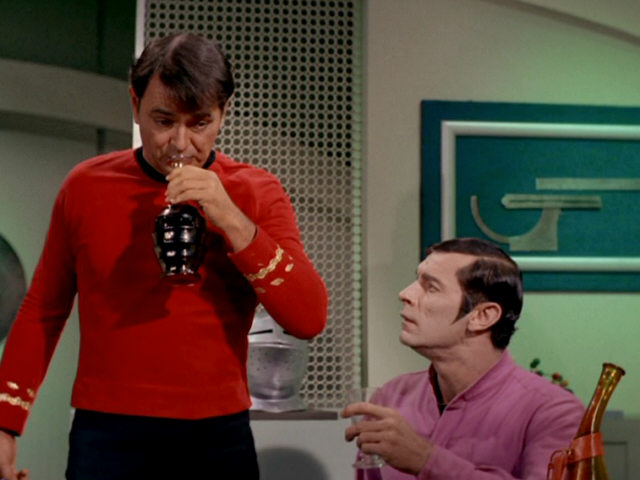
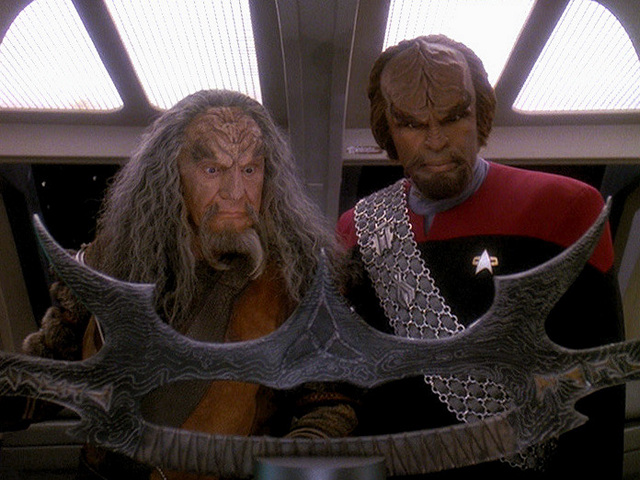
- The Original Series, The Animated Series, The Next Generation, Deep Space Nine and Voyager are in 1.33:1 format.
Cinema ratio 2.39:1
Cinema went in a different direction. 35mm film was used from the very beginning, having been standardized by Thomas Edison's lab in the 1890s. Its resolution is not directly comparable to pixels but usually in excess of a 4k equivalent for modern 35mm stock. The usual screen ratios were initially 1.33:1 as given by the film itself or the Academy ratio of 1.37:1. By the 1950s, Hollywood was losing audiences to television, and studios needed a way to make movies feel grander and fundamentally different from what people could watch at home. The solution was to go wider. Widescreen images on 35mm film could be achieved either by masking the top and bottom of the frame to create formats such as 1.85:1, or by using anamorphic lens systems that squeezed a wide image onto the film and unsqueezed it during projection. The latter approach was used by formats such as CinemaScope and Panavision, which standardized aspect ratios around 2.35:1 and later 2.39:1. The result was a panoramic experience that television sets simply could not replicate.
The classic Star Trek films and "Star Trek (2009)" were all shot anamorphically on 35mm film. "Star Trek Into Darkness" used 65mm IMAX for selected scenes, but not the full frame height, which would have resulted in a 1.43:1 ratio. The IMAX scenes were further cropped for the release, adapting them to the technical standards of the theater or medium. "Star Trek Beyond" was filmed with 35mm digital cameras. It was expanded with side screens in the now defunct Barco Escape format in some theaters, using CG extensions. These may not qualify as actual parts of the film, though.
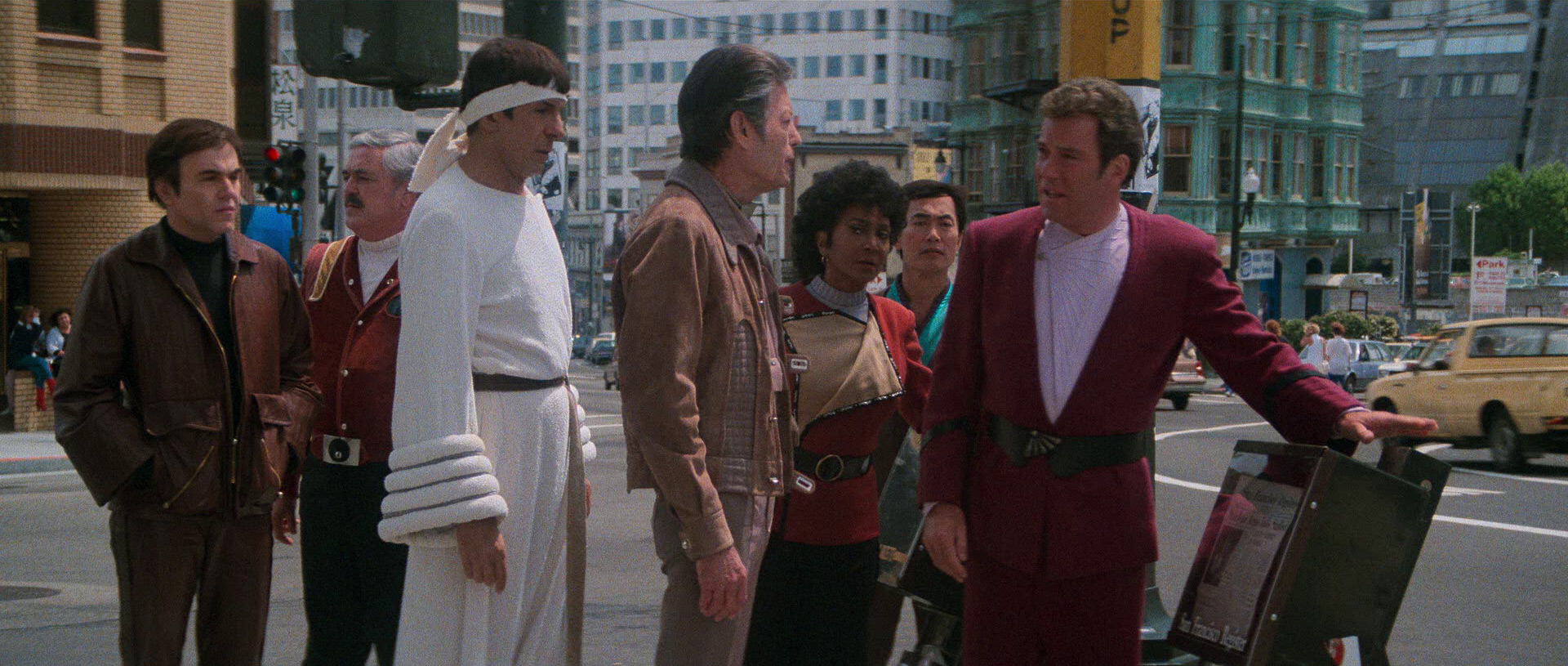
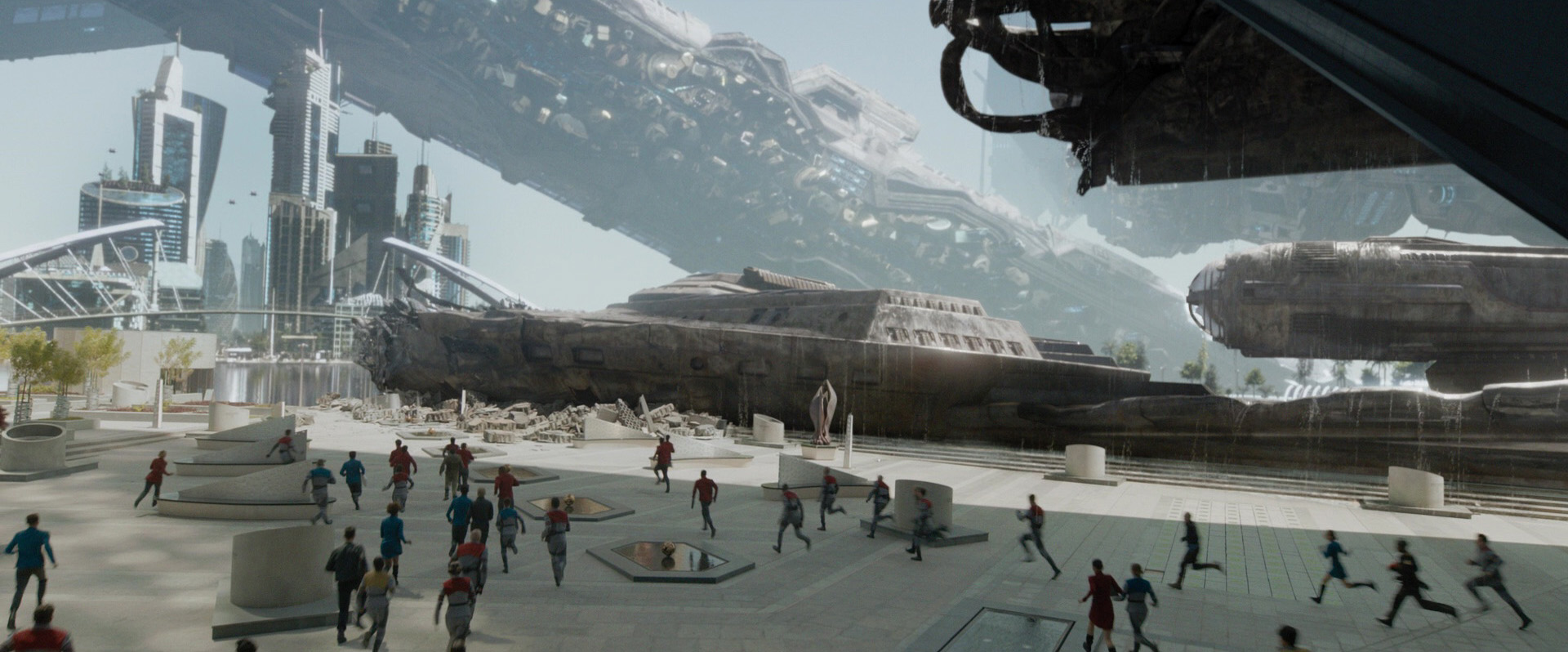
- All Star Trek movies are in 2.39:1 format (in regular theaters, on DVD & Blu-ray).
- The IMAX format of "Star Trek Into Darkness" is variable. Regular scenes are 2.39:1. IMAX scenes are 1.90:1 in digital IMAX theaters, 1.66:1 in 15/70 IMAX theaters and 1.78:1 on IMAX/4k UHD Blu-ray releases.
HD television 1.78:1
When high-definition television arrived in the 1990's, the industry settled on 16:9 (1.78:1) as a compromise between the tall 1.33:1 of classic TV and the ultra-wide 2.39:1 of cinema. It was deemed wide enough to feel modern and reduce the black bars of letterboxing when used for movies, but tall enough to achieve a good vertical resolution. The standard resolution is "Full HD" with a 1920×1080 (1.78:1) image. 1080p means the image is shown with full progressive frames, while the intermediate solution 1080i still used interlaced fields like analog TV. Modern digital cinema cameras with sensors like 3840×2160 (UHD) or 4096×2160 (DCI 4K) made aspect ratio a creative choice rather than a technical constraint. Directors could shoot "open gate" and crop later, or commit to a specific ratio from the start.
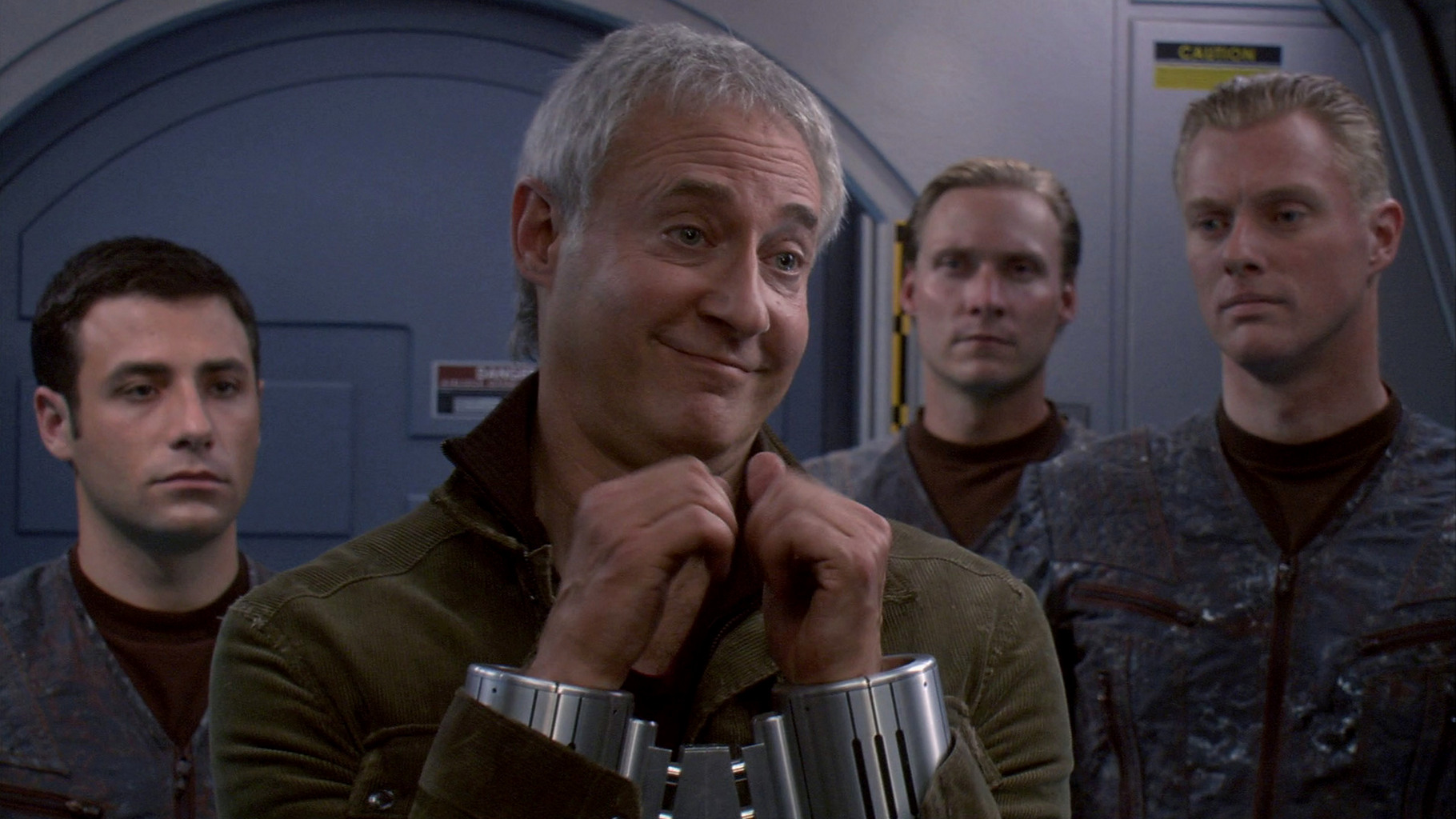
Enterprise was initially still shot on 35mm stock. But it was the first Star Trek series to be aired in 1.78:1 widescreen format, a decision that was purportedly made halfway through the production of season 1, after already starting to scan 1.33:1 frames from the film. Many viewers probably saw the series in letterbox format on their 1.33:1 screens when it first aired. Season 4 switched to digital cameras, a decision that did not affect the screen ratio but is very visible in the color grading.
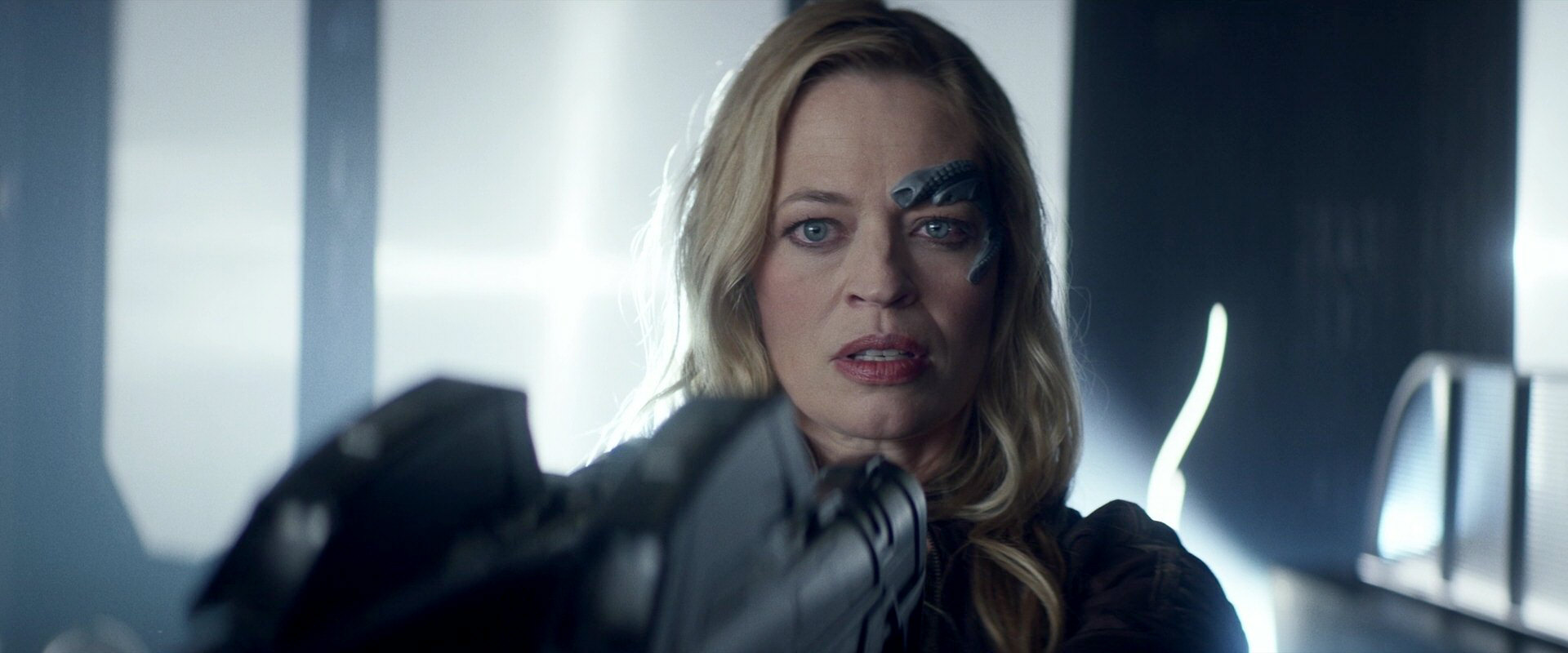
Rather than choosing the native HDTV format of 1920x1080 pixels like Enterprise, Star Trek productions since 2017 went into different directions. Discovery started off with 1920x960 (2:1) and moved to 1920x800 (2.39:1) pixels in season 2. Strange New Worlds kept this ultra-wide aspect ratio but uses full-frame shots with anamorphic lenses to take advantage of the full 4K resolution of the camera.
- Star Trek Enterprise, Lower Decks and Starfleet Academy use 1920x1080 pixels (1.78:1).
- Discovery season 1 uses 1920x960 pixels (2:1).
- Short Treks, Discovery seasons 2-5, Picard, Prodigy, Strange New Worlds and Section 31 use 1920x800 pixels (2.39:1).
Remastering 1.33:1
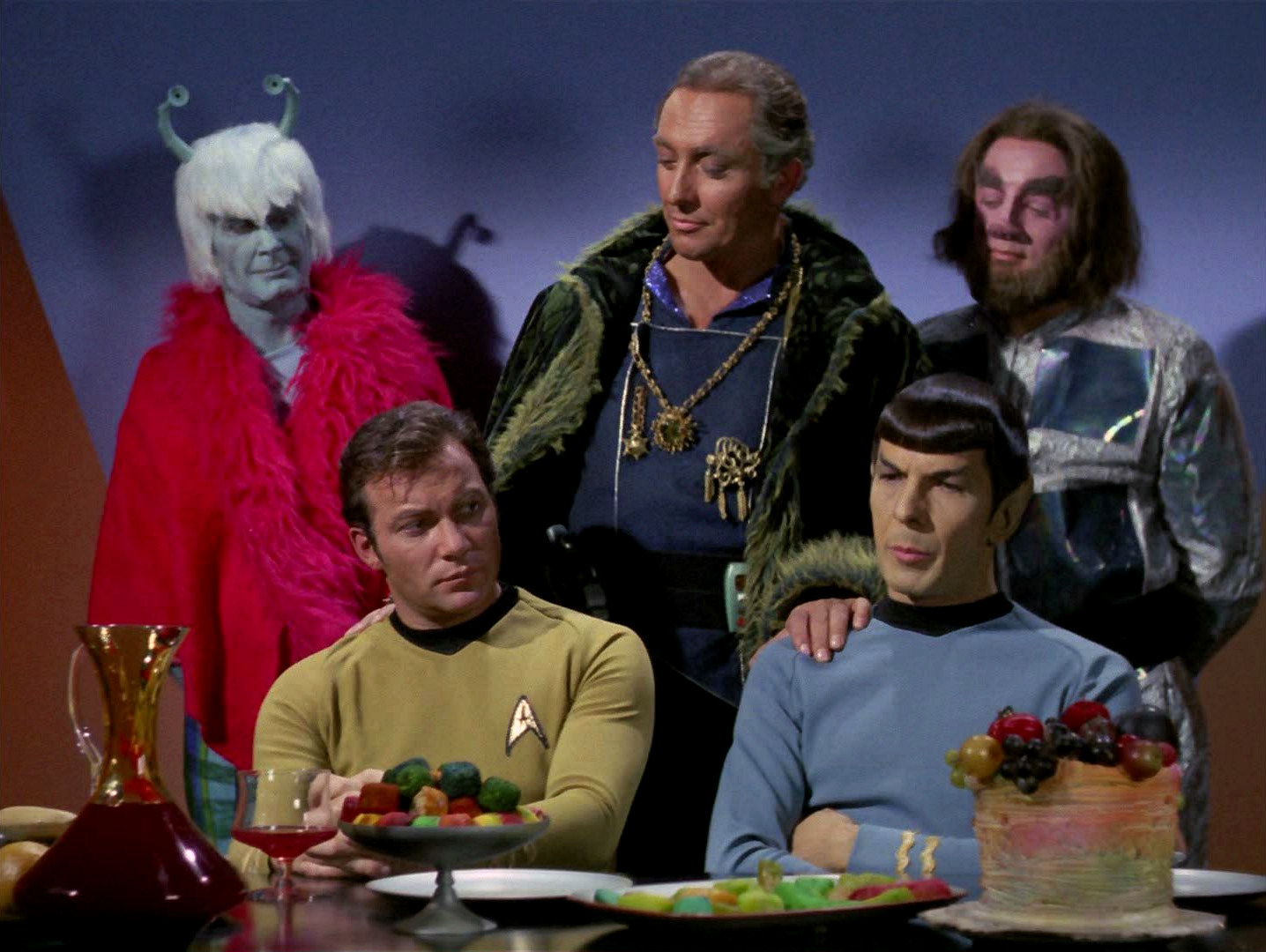
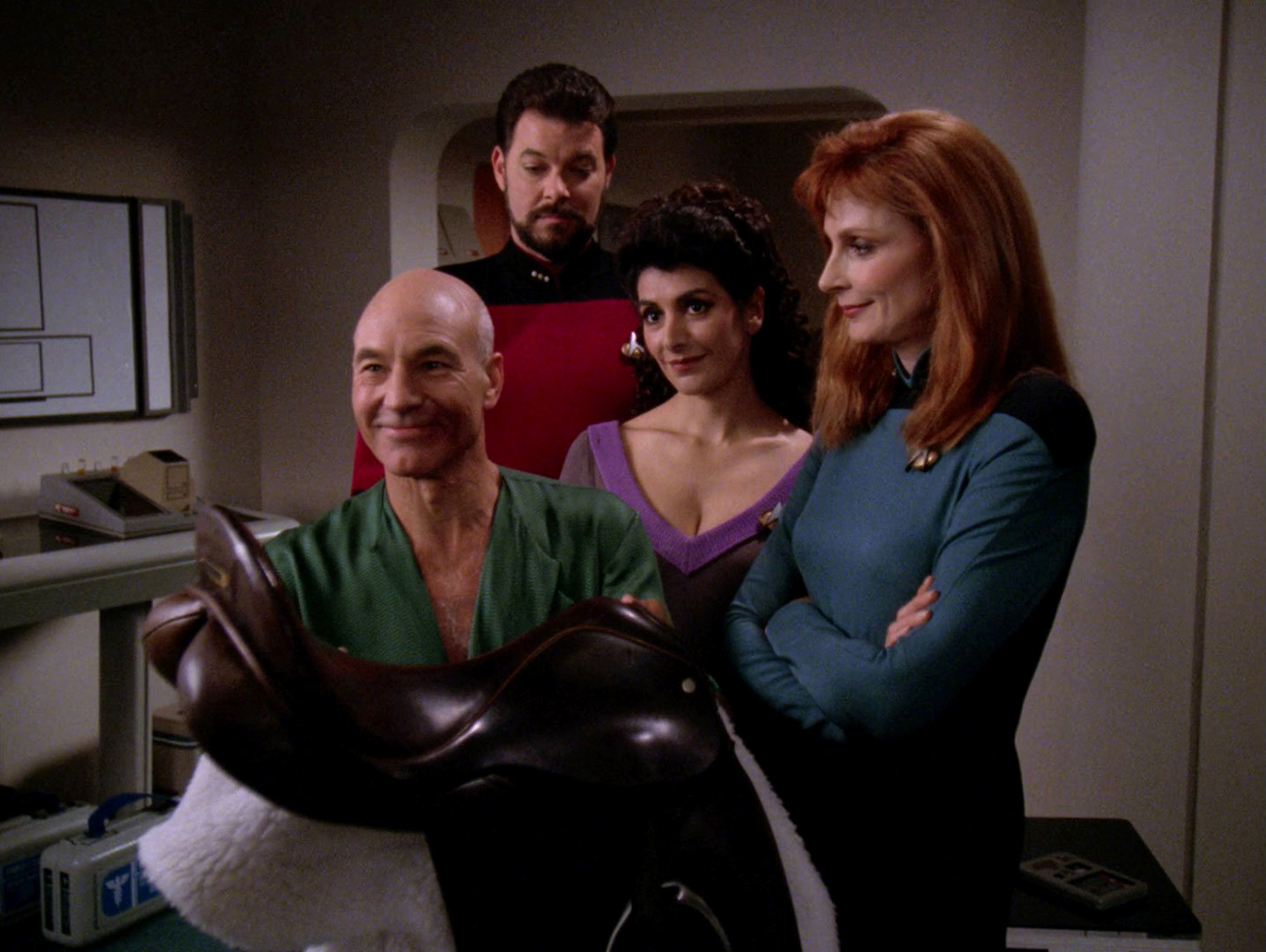
TOS and TNG were both shot on 35mm film. Both series were kept at their original screen ratio of 1.33:1 when they were remastered. They were not converted to 1.78:1. Even though a slightly wider portion than visible in the original episodes was often available on film, it would still have required to reduce the height of the frames. Keeping both series in their original aspect ratio preserves the way they were designed to be seen and avoids the compromises and visual errors that would come from digitally editing edges or from artificially widening the frame. They are shown pillarboxed (black bar on the left and on the right) on modern TV screens.
The DS9 documentary "What We Left Behind" includes HD sequences from DS9 episodes in 1916x1080 format, which may have been done primarily to adapt them to the newly filmed footage of the interviews.
- TOS-R and TNG-R are in 1.33:1 format.
Cinematic Ratio vs. TV Standards
A shift to a wider frame has both practical and artistic consequences. It often requires changes to set design and staging, but it also opens up new possibilities for composition and camera movement. And while modern television's 1.78:1 ratio is already clearly wider than the classic 1.33:1 frame, most of the newest Star Trek shows push for cinematic ultra-widescreen on television - purely for its aesthetic impact.
Transition from TNG to the movies
With the technical standards given, directors and production designers had to adapt their visual language to the shape of the frame. In the 1.33:1 era, Star Trek TV shows developed a distinctly "tall" composition style. Actors' eyes were placed high in the frame, close-ups had generous headroom and sets were built with this verticality in mind. The bridge of the Enterprise-D is a prime example. It was designed for 1.33:1 and famously includes an elevated level for Tasha and later Worf behind the "horseshoe".
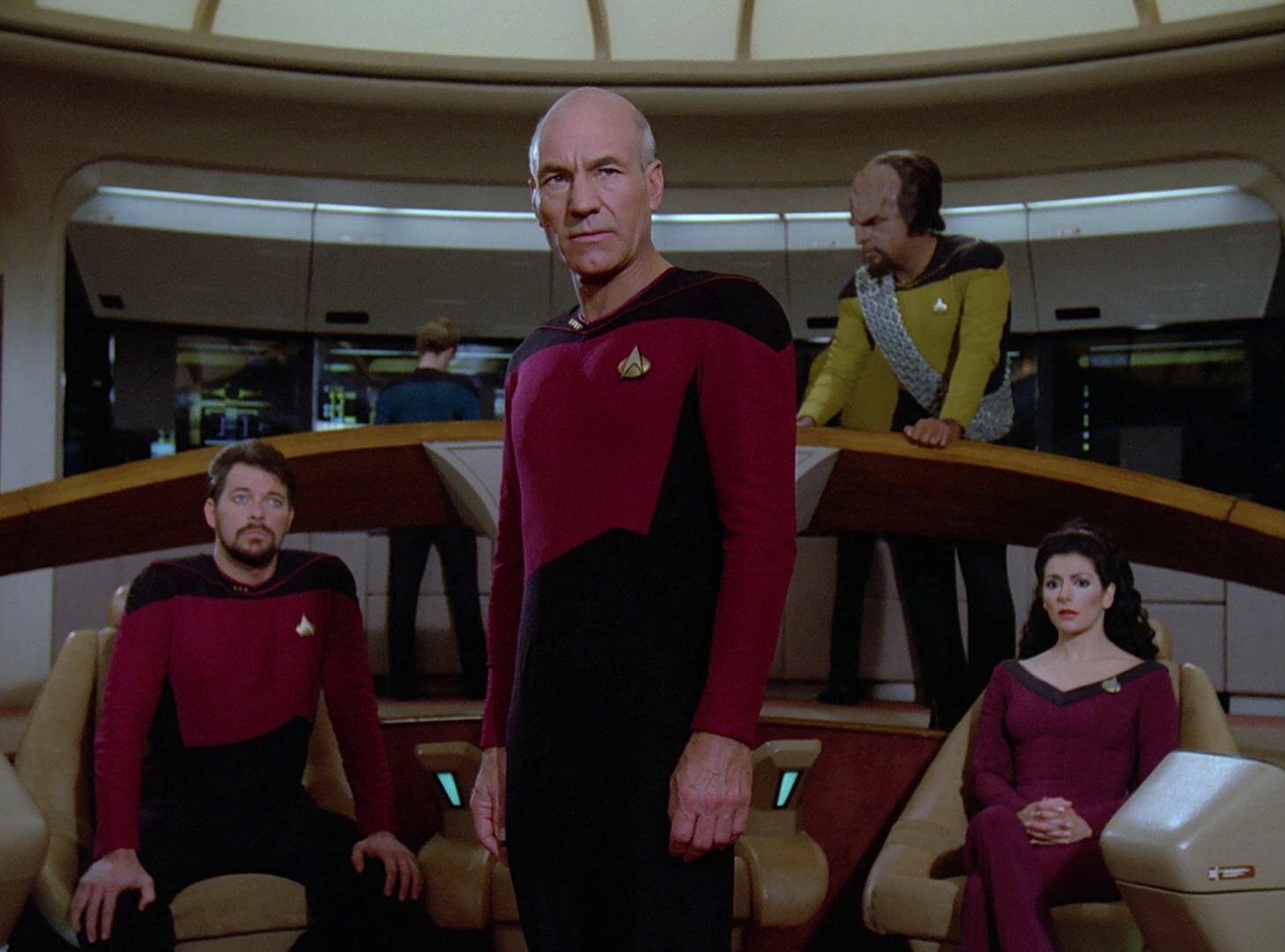
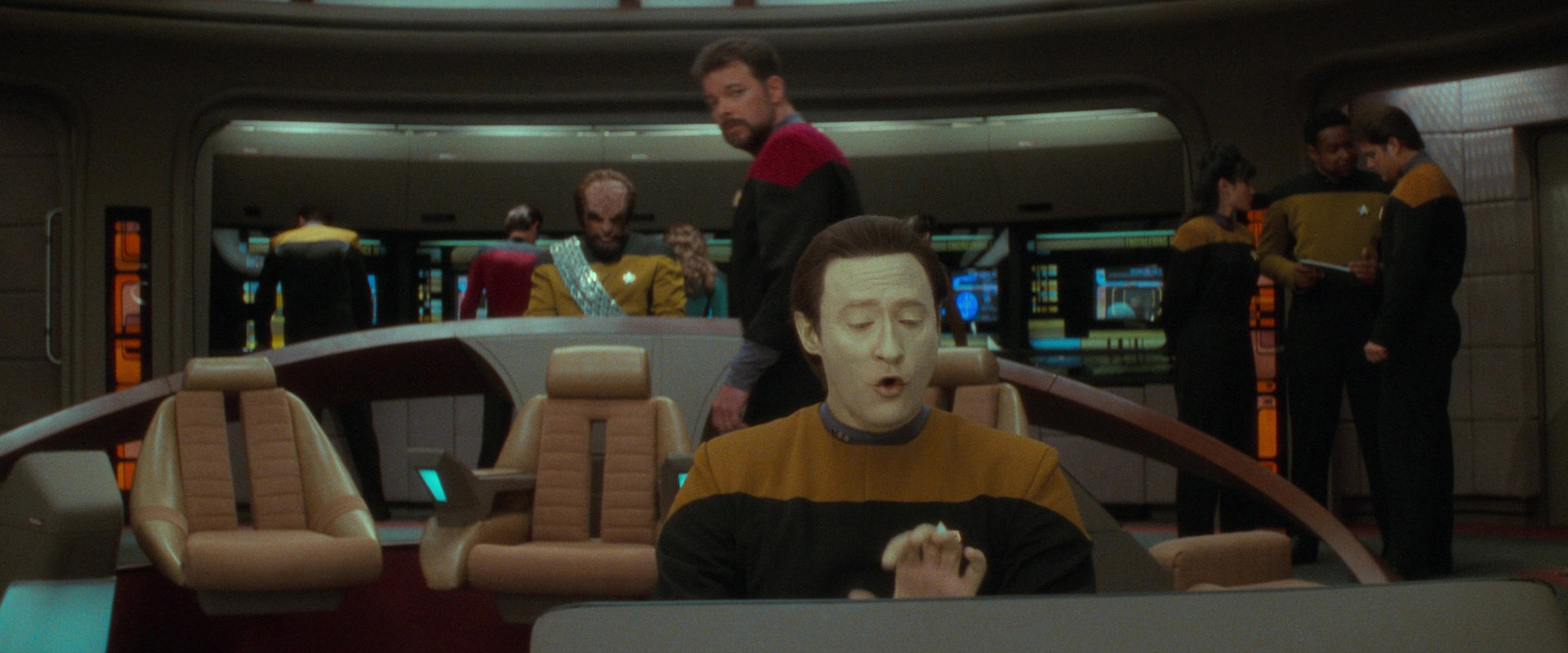
When "Star Trek: Generations" brought the Enterprise-D into the 2.39:1 cinematic frame, the production team faced a fundamental problem: the set had been built for a tall frame, but the movie camera now saw a wide one. This is why Worf, who so far was standing at his tactical station, got a chair so his head wouldn't be cut off in some takes, and why lateral stations were added that visually expanded the set without adding actual space (although they rarely come into sight). But at least one other limitation remained. As Dave Blass notes in a Twitter post from 1 March, 2022, "using multiple cameras to shoot scenes you need to be able to have them further apart to stay out of the each other's frames", which becomes more challenging at a wider aspect ratio if the set itself remains the same.
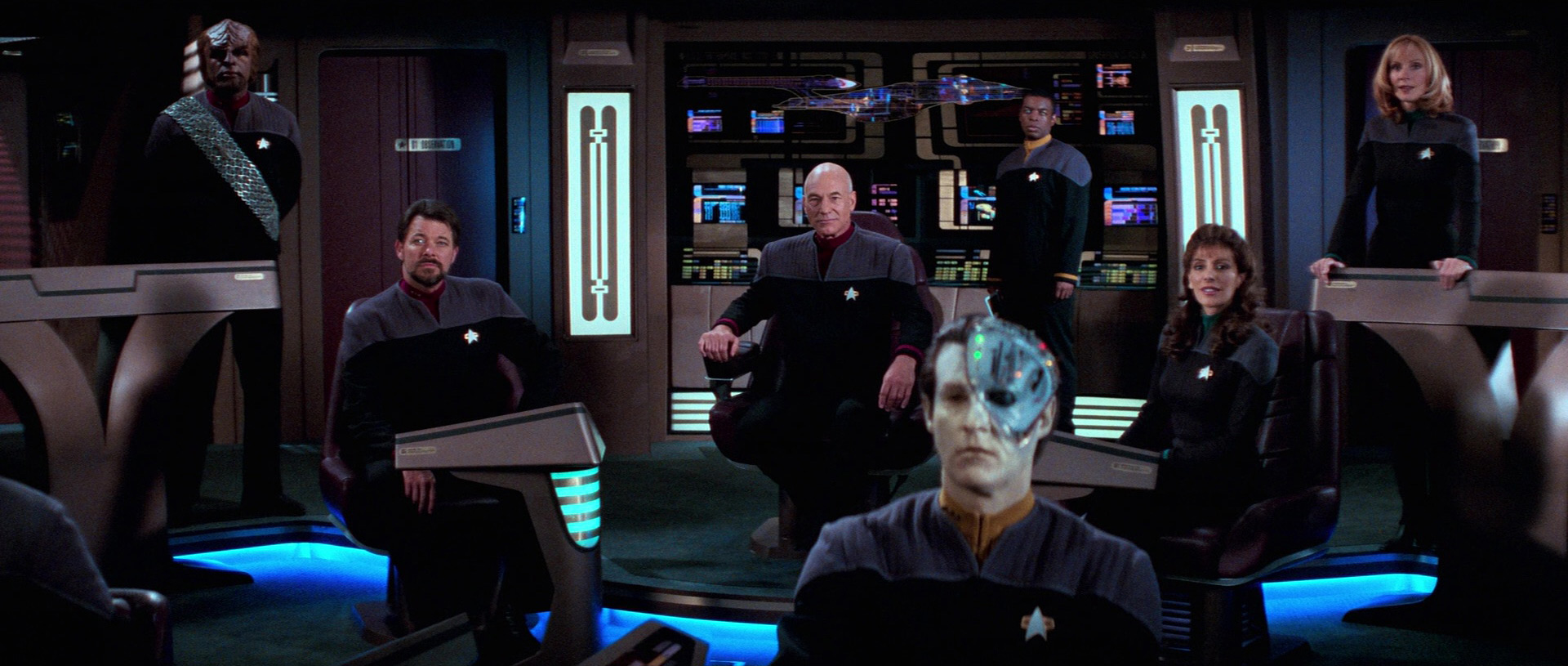
When the Enterprise-E bridge was designed for "Star Trek: First Contact", the production team embraced the widescreen format fully. The set was made almost three meters wider than on the predecessor, not for in-universe reasons but for cinematography. A wider bridge allows better horizontal staging, more dynamic camera movement and more natural compositions in a 2.39:1 frame. As Dave Blass mentions in his Twitter post, the eye lines, which were "stacked tall" in TNG, are much lower in this movie. The Enterprise-E bridge feels inherently cinematic, not only because it is darker but also because it was literally built for cinema.
Cinematic ratios in modern Trek TV shows
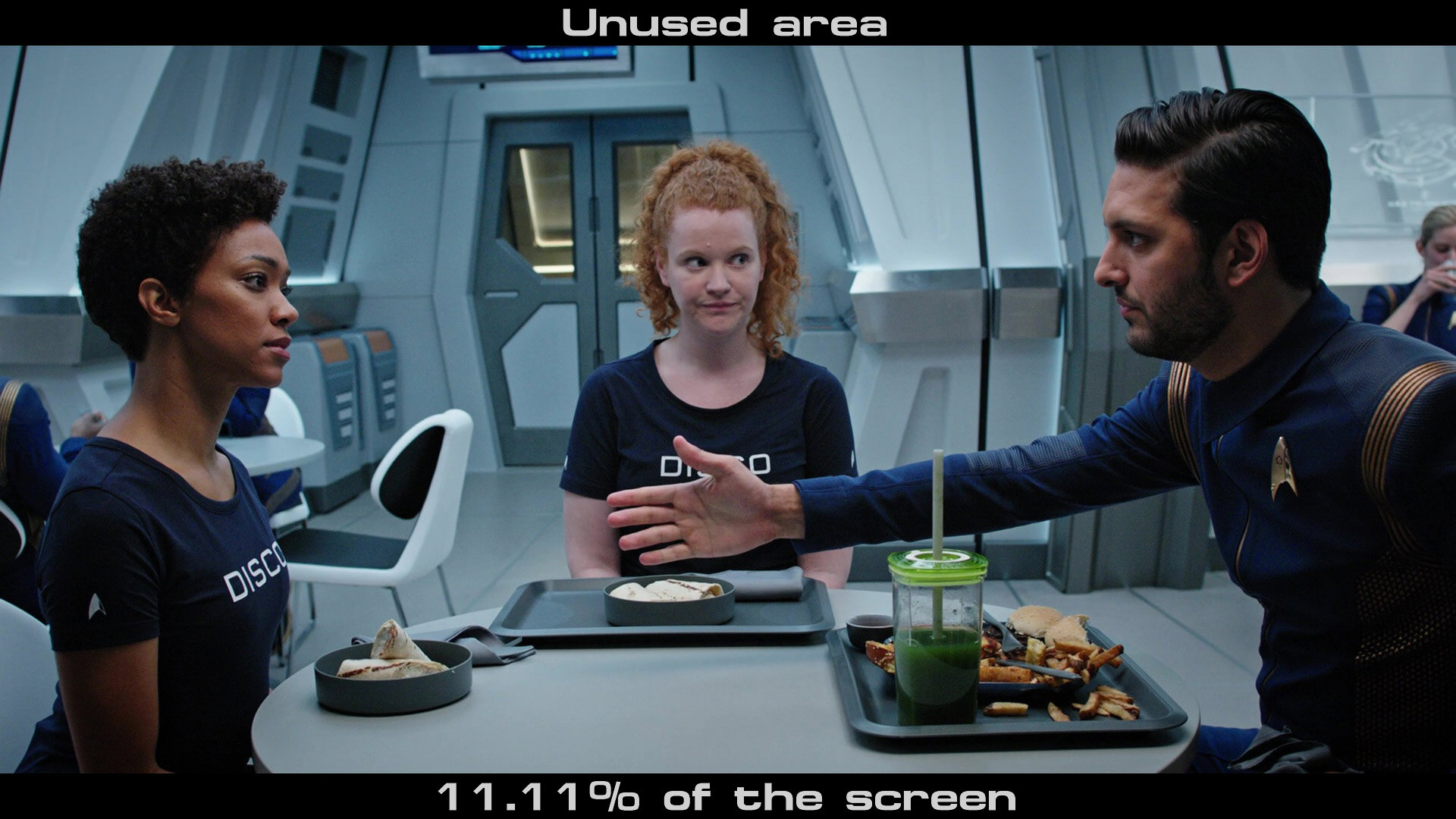
Modern Star Trek continues the ultra-widescreen trend, even on TV. Although 16:9 (1.78:1) is the standard for television, some series such as Discovery, Picard and Strange New Worlds chose wider ratios like initially 2:1 and later consistently 2.39:1 to evoke a cinematic effect. Directors gain more horizontal space to arrange actors, stage movement and compose shots with a sense of scale that echoes feature films. These choices are artistic rather than technical, and they come with clearly visible tradeoffs: black bars, poor vertical resolution of merely 800px and an overall smaller on-screen image. The ultra-wide ratio may feel like a waste of pixels (25.93%, to be precise).
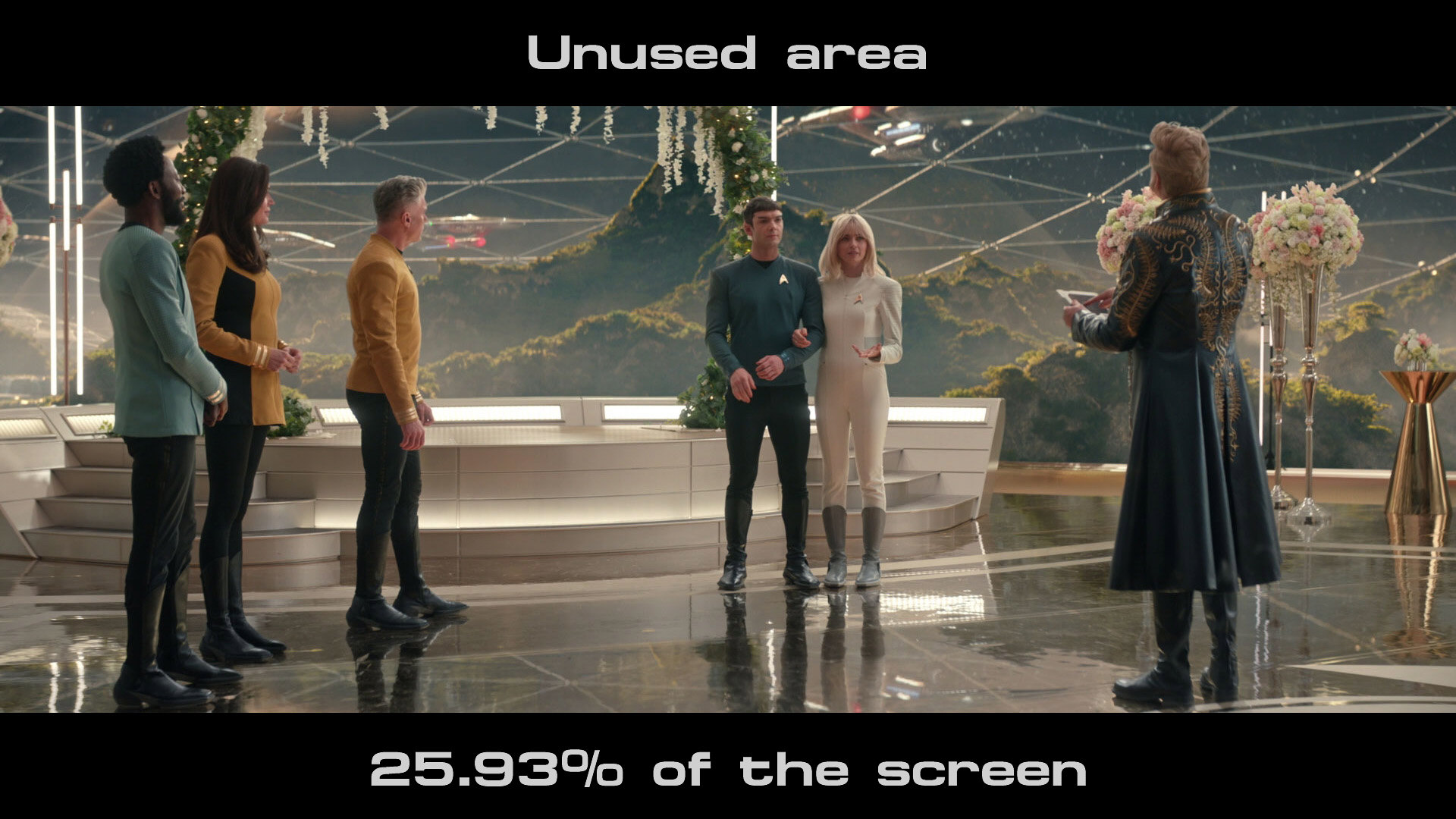
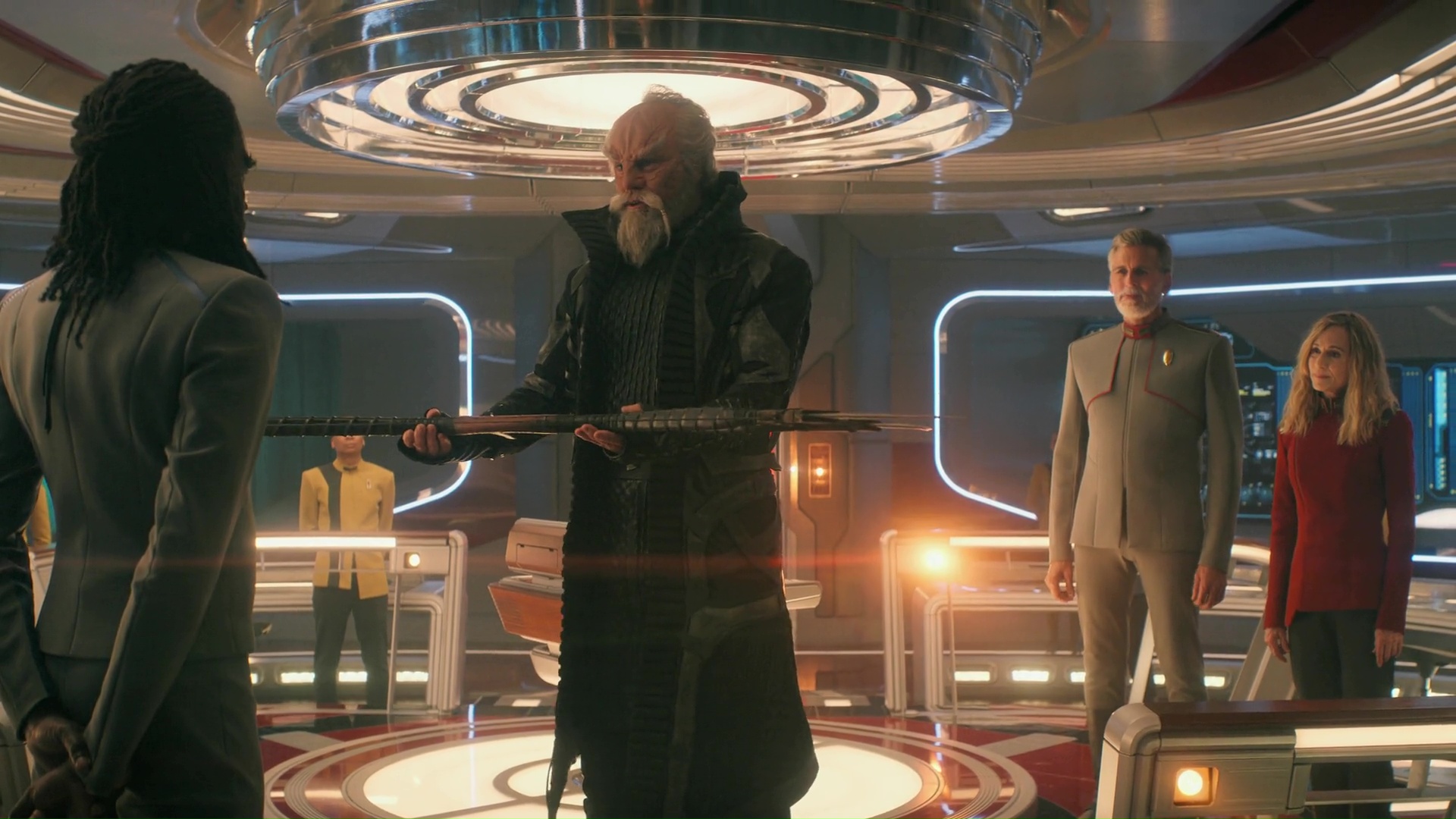
The surprise among the newer Trek series is Starfleet Academy, which returns to the standard HDTV resolution of 1920x1080 and is the first live-action series since Enterprise to occupy the whole screen. It arguably doesn't feel less visually appealing than Discovery or SNW because of that.
Crossovers and humorous takes on the cinematic ratio
Lower Decks is produced at 1920x1080 pixels, Strange New Worlds at 1920x800. In the crossover episode SNW: "Those Old Scientists", the live-action and animated parts both keep their aspect ratios, leading to a number of switches within the episode. SNW: "A Space Adventure Hour" includes "footage" from "The Last Frontier", an old 1960's science fiction show, which breaks out of the letterbox and occupies the whole screen (although it might have been more logical to show it as pillarboxed). Likewise, Trelane's scenario that mimics a 20th century soap opera appears in 1.78:1 in SNW: "Like Chronitons Through the Hourglass". There are a few more examples of in-episode screen ratio changes, such as for Beto's documentary footage in SNW: "What is Starfleet?".
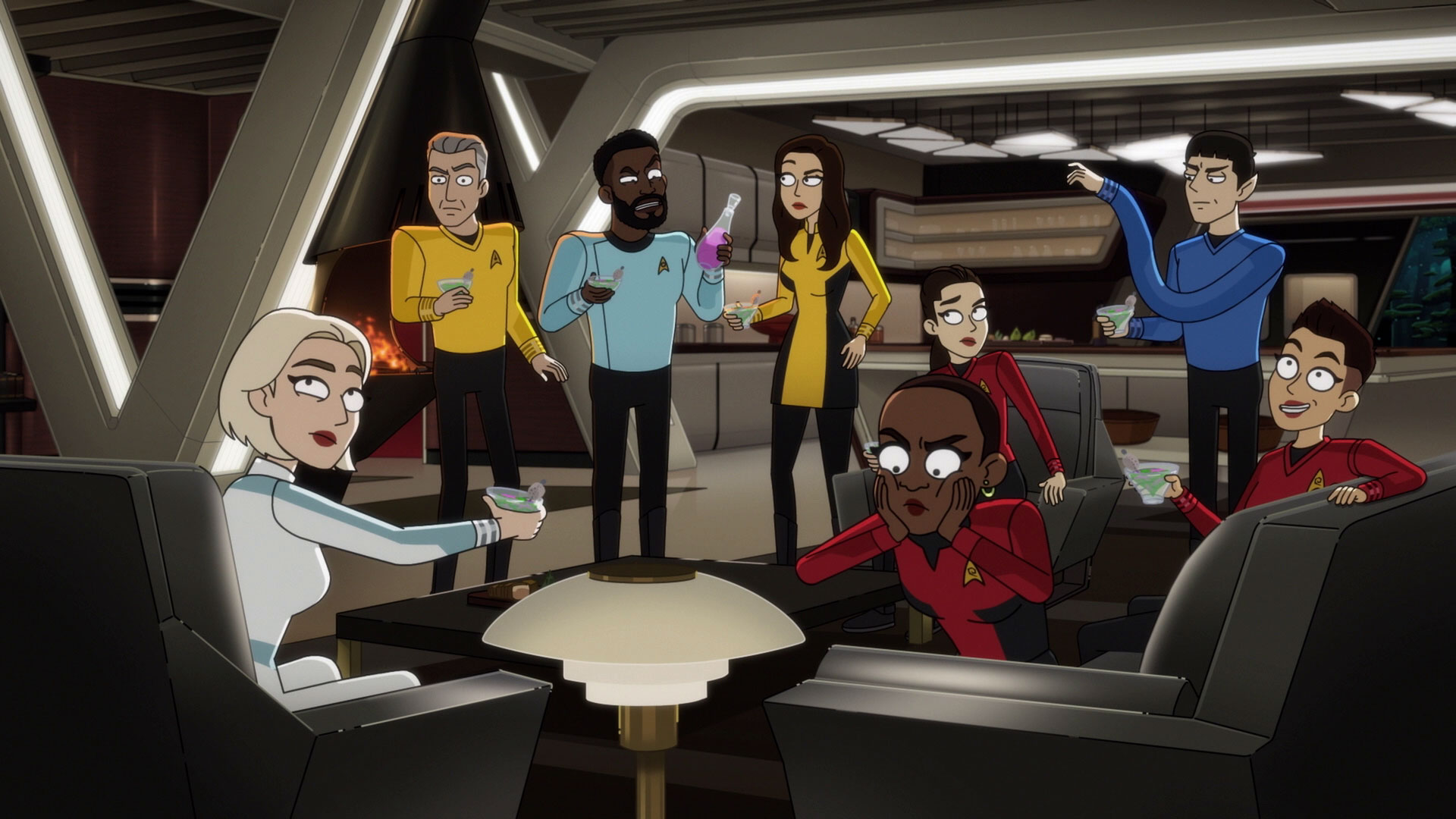
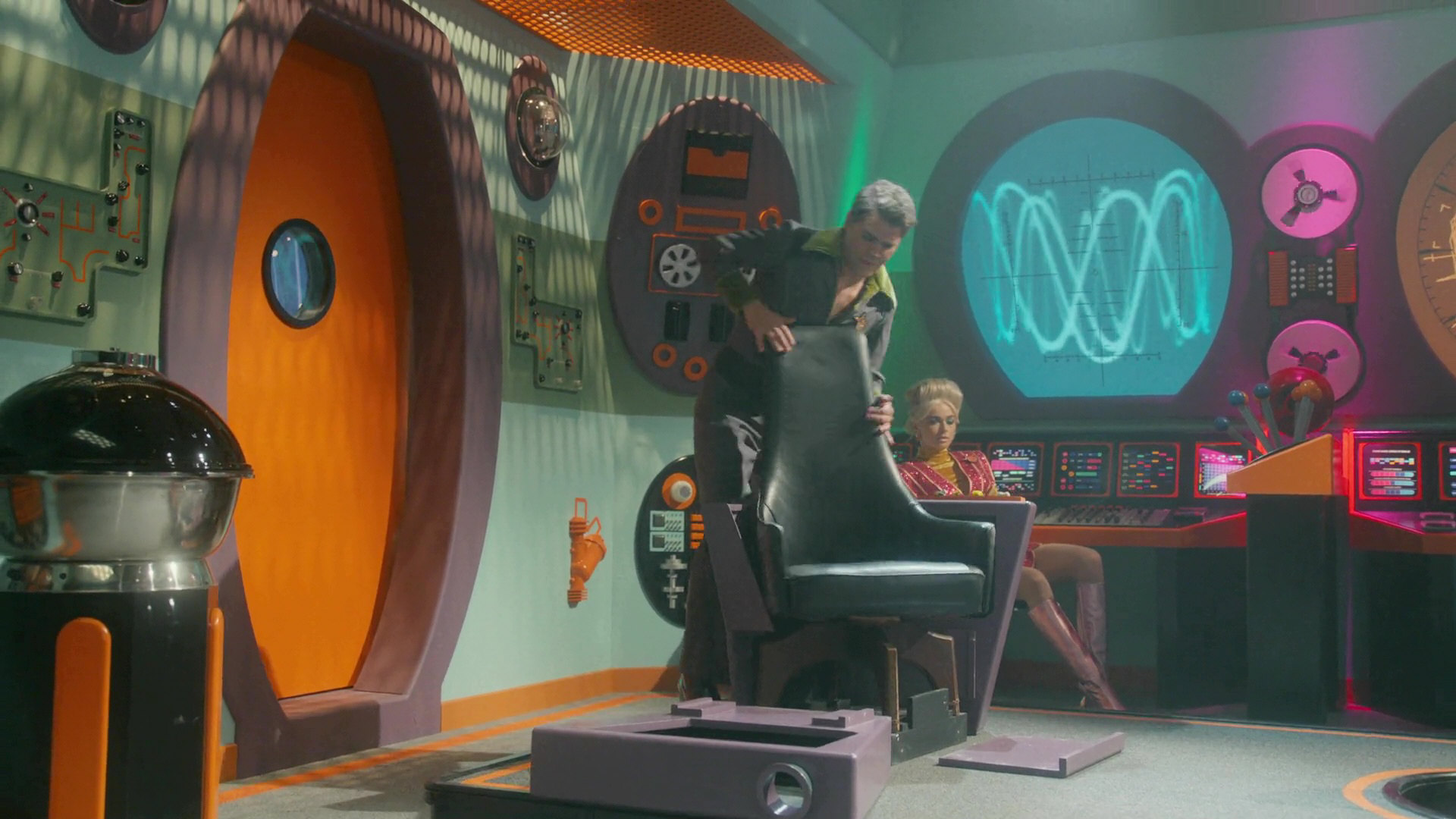
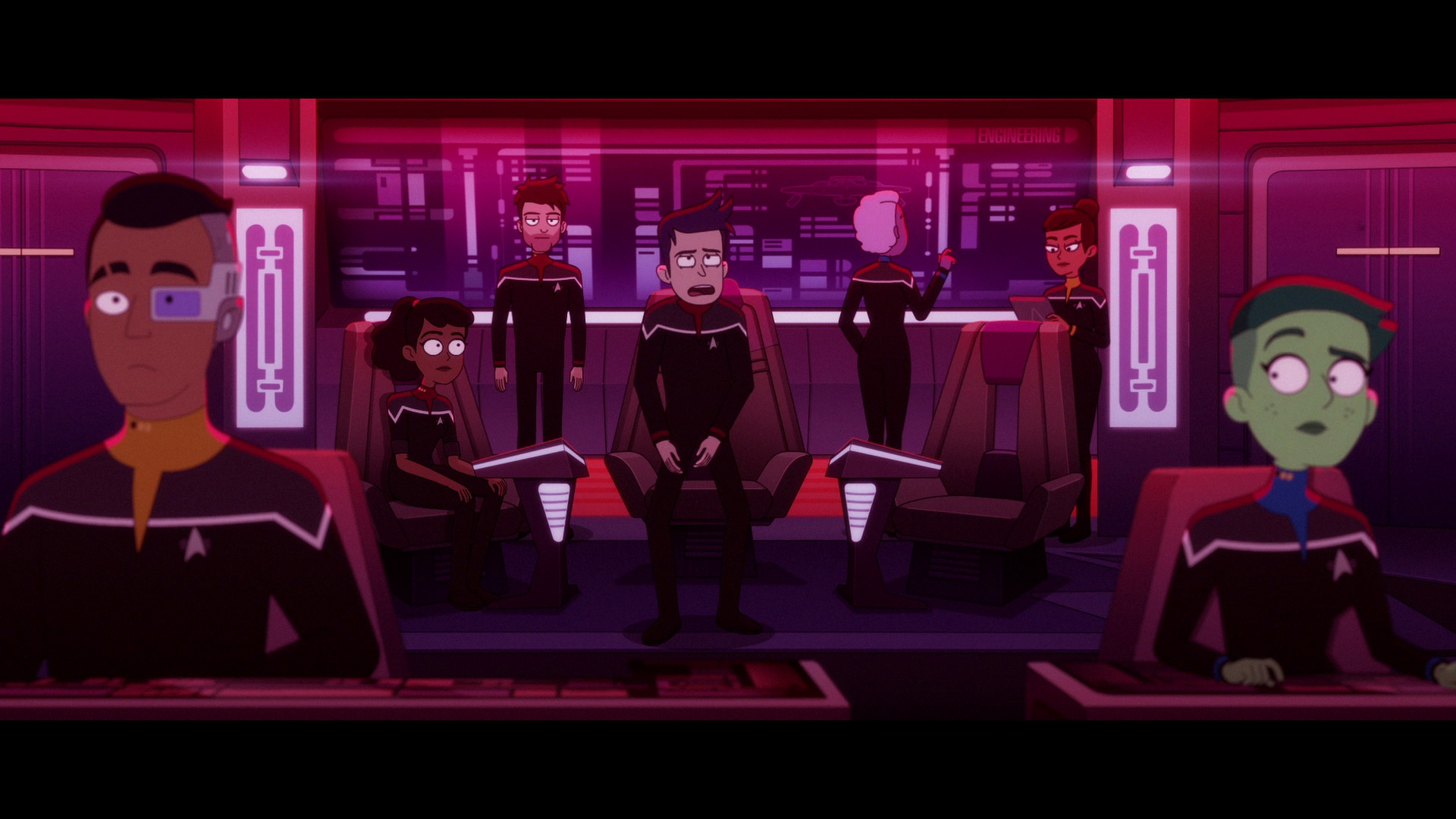
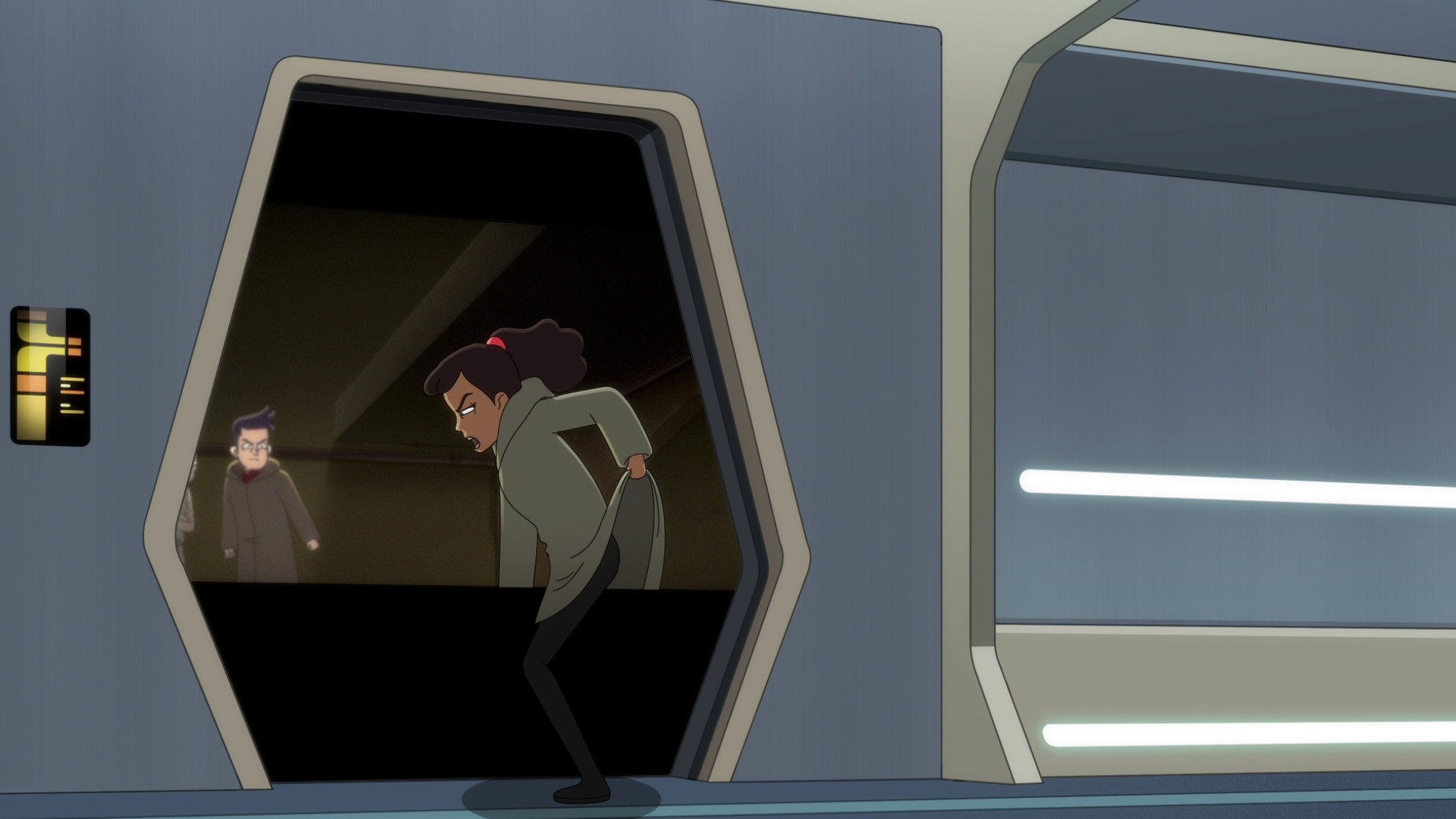
Vice versa, whenever Lower Decks characters enter the holodeck for a "Star Trek movie" scenario, such as in LOW: "I, Excretus" but most notably in LOW: "Crisis Point" and "Crisis Point 2: Paradoxus", the format switches to 2.39:1 and the picture shrinks to 1920x800 pixels. This adds a humorous meta level to the stories, as the shape of their holographic world is literally different. And it is not just an artistic choice but sort of an in-universe fact. In "Crisis Point 2: Paradoxus", when Mariner leaves the holodeck while Boimler's movie scenario is still running, she has to climb over the black bar of the letterboxing, in the perhaps best meta joke of the series!
Summary
This table summarizes the screen ratios and resolutions used for Star Trek productions.
| Series | Year | Standard | Frame width | Frame Height | Ratio | Screen usage | Annotations |
|---|---|---|---|---|---|---|---|
| TOS | 1966 | NTSC | approx. 480 lines | 1.33:1 |  100% (then)  75% (now) | ||
| TAS | 1973 | Blu-ray version is 1434x1080. | |||||
| TNG | 1987 | ||||||
| DS9 | 1993 | ||||||
| VOY | 1995 | ||||||
| ENT | 2001 | 1080i/1080p | 1920 | 1080 | 1.78:1 |  100% | Seasons 1-3 still filmed on 35mm. CG effects only 720p. |
| TOS-R | 2006 | 1080p | 1440 | 1080 | 1.33:1 | 75% | |
| TNG-R | 2012 | Season 2 uses 1456px, later seasons 1438px. | |||||
| DIS S1 | 2017 | 1080p | 1920 | 960 | 2:1 |  89% | |
| DIS S2-5 | 2019 | 1080p | 1920 | 800 | 2.39:1 |  74% | |
| SHO | 2018 | ||||||
| PIC | 2020 | ||||||
| PRO | 2021 | Season 2 frames are 810px high. | |||||
| SNW | 2022 | ||||||
| S31 | 2025 | ||||||
| LOW | 2020 | 1080p | 1920 | 1080 | 1.78:1 | 100% | |
| SFA | 2026 | ||||||
| Movies | 1979-2016 | Anamorphic 35mm | 1920 | 800 | 2.39:1 | 74% (on HDTV) | Exact heights on Blu-ray vary between 798px and 826px. |
| STID | 2013 | Anamorphic 35mm & IMAX | 1920 | 800 | 2.39:1 | 74% (on HDTV) | IMAX scenes may be taller - up to 1.66:1 in IMAX theaters and 1.78:1 on IMAX media. |
See Also
Re-Used TNG Scenes in ENT: "These Are The Voyages" - how a small part of TNG became widescreen
Credits
Thanks to Roger McCoy for additional notes about "Into Darkness", "Beyond" and Enterprise.


